
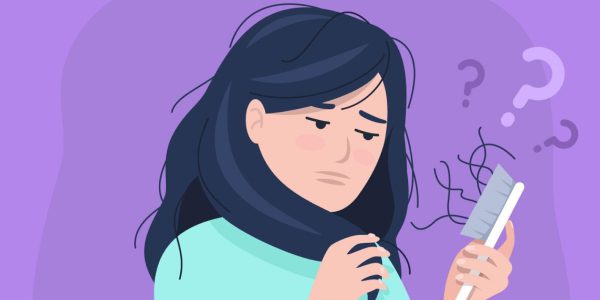
Hair fall treatment can be frustrating when you're following advice, using recommended products, or even taking supplements but still noticing hair shedding. The good news is that treatment failure doesn't always mean the treatment is ineffective. In many cases, the underlying cause hasn't been identified correctly, or the treatment needs more time or a different approach.
In this guide, we'll explain the most common reasons why hair fall treatments may not work, what you can do about it, and when it's time to consult a dermatologist for a personalized treatment plan.
Reason #1 – You Don't Know What's Causing Your Hair Fall
Many people start treatment without understanding the root cause.
Hair fall may be caused by:
- Androgenetic alopecia (genetic)
- Telogen effluvium (stress, illness)
- Thyroid disorders
- Iron deficiency
- Vitamin D deficiency
- PCOS Scalp conditions
- Autoimmune disorders
Different causes require different treatments. Identifying the underlying reason is the first step toward effective hair restoration.
Reason #2 – You're Expecting Results Too Quickly
One of the biggest reasons people give up is unrealistic expectations.
Hair grows slowly.
Most professional treatments require:
- 6–8 weeks for reduced shedding
- 3–6 months for visible improvement
Ongoing maintenance
Unfortunately, social media often creates the impression that dramatic results happen overnight.They don't.
Reason #3 – Hair Oils Alone Cannot Stop Hair Loss
This may surprise many people.
While oils can:
✔ Improve scalp hydration
✔ Reduce dryness
✔ Improve hair shaft appearance
They generally cannot stop genetic or hormonal hair loss.
If your hair follicles are shrinking due to androgenetic alopecia, oils alone won't solve the problem.
Reason #4 – You're Treating the Hair Instead of the Scalp
Healthy hair starts with a healthy scalp.
Conditions such as:
- Dandruff
- Seborrheic dermatitis
- Scalp inflammation
- Excess oil production
- can contribute to ongoing hair fall.Without addressing scalp health, treatments may not perform optimally.
Reason #5 – You Stopped Treatment Too Early
Many patients stop treatment once hair fall reduces slightly.
However, hair restoration is a long-term process.
Hair follicles need continuous support to remain active and healthy.
Consistency often determines success.
Reason #6 – You Need Advanced Treatments
Some forms of hair loss require more than shampoos and supplements.Modern dermatology offers advanced options such as:
PRP Hair TreatmentPRP (Platelet-Rich Plasma)
Hair Treatment uses a small amount of your own blood to prepare a platelet-rich solution containing natural growth factors. This solution is injected into the scalp to stimulate inactive hair follicles, improve blood circulation, and encourage healthier hair growth. PRP is commonly recommended for early to moderate hair loss and is most effective when combined with a personalised treatment plan.
GFC Hair TreatmentGrowth Factor Concentrate (GFC)
Hair Treatment is an advanced regenerative therapy that uses concentrated growth factors extracted from your own blood to nourish weakened hair follicles. Compared to conventional PRP, GFC contains a higher concentration of purified growth factors with minimal inflammatory cells. It may help reduce hair shedding, improve hair density, and support healthier hair growth in suitable candidates.
Medical Management
Not all hair loss requires advanced procedures. In many cases, medical management using dermatologist-prescribed medications, nutritional supplements, or topical treatments can effectively control hair fall and stimulate regrowth. The choice of treatment depends on the underlying cause, whether it is hormonal, nutritional, genetic, or related to a medical condition, making an accurate diagnosis essential.
Scalp Therapies
A healthy scalp provides the foundation for healthy hair growth. Scalp therapies are designed to improve scalp health by reducing excess oil, dandruff, inflammation, and product build-up that may affect hair follicles. Depending on the condition of your scalp, your dermatologist may recommend specialised treatments that create a healthier environment for stronger and healthier hair growth.
Reason #7 – Stress Is Affecting Your Hair More Than You Realize
Stress-related hair loss is extremely common.
Physical and emotional stress can push hair follicles into a resting phase, causing increased shedding weeks or months later.
Managing stress is often an important part of successful treatment.
When Should You Stop Relying on Home Remedies?
Hair oils, DIY masks, and nutritional supplements may help improve the condition of your hair or support overall scalp health. However, they cannot treat every type of hair loss. Conditions such as genetic hair loss, hormonal imbalances, thyroid disorders, or autoimmune hair loss usually require medical diagnosis and targeted treatment.
If your hair fall has continued for more than three months, is getting worse, or you notice thinning, bald patches, or a receding hairline despite trying home remedies, it's time to consult a dermatologist. Early diagnosis can identify the underlying cause and help you start the most appropriate treatment before further hair loss occurs.
What Dr. Annu Says
"One of the most common mistakes I see is patients trying multiple products without understanding why they're losing hair. Hair fall is not a single condition. Finding the cause is the most important part of successful treatment."
What Results Can You Realistically Expect?
With proper diagnosis and treatment:
First Month
- Hair shedding may continue.
- Focus is on diagnosis and stabilizing hair loss.
2–3 Months
- Reduced shedding.
- New hair growth may begin.
4–6 Months
- Increased density.
- Stronger, healthier hair.
Beyond 6 Months
- Maintenance phase.
- Continued improvement with adherence.
When Should You See a Dermatologist?
Consult the best dermatologist in Kochi if:
- Hair loss after COVID or a major illness
- Sudden bald patches
- Hair thinning with itching or scaling
- Family history of early baldness
- Hair loss despite using treatments consistently
Why Choose Skinessence for Hair Fall Treatment in Kochi?
At Skinessence, hair treatment begins with understanding the cause.
Patients benefit from:
✔ Advanced scalp analysis
✔ Personalized treatment plans
✔ PRP and Growth Factor Therapy
✔ Hair regrowth therapy
✔ Evidence-based hair restoration
✔ Expert dermatologist care
