Hair Loss Treatment in Kochi
Dermatologist-Led Solutions for Hair Thinning, Excessive Hair Fall & Hair Regrowth
At Skinessence Skin & Hair Clinic in Kadavanthra, Kochi, hair loss treatment starts with a dermatologist consultation to assess excessive shedding, thinning, or bald patches. Treatment may include medical management, scalp care, PRP, or GFC, depending on the cause and your suitability.
Serving patients across Kochi, Kadavanthra, and Ernakulam
Understanding Hair Loss
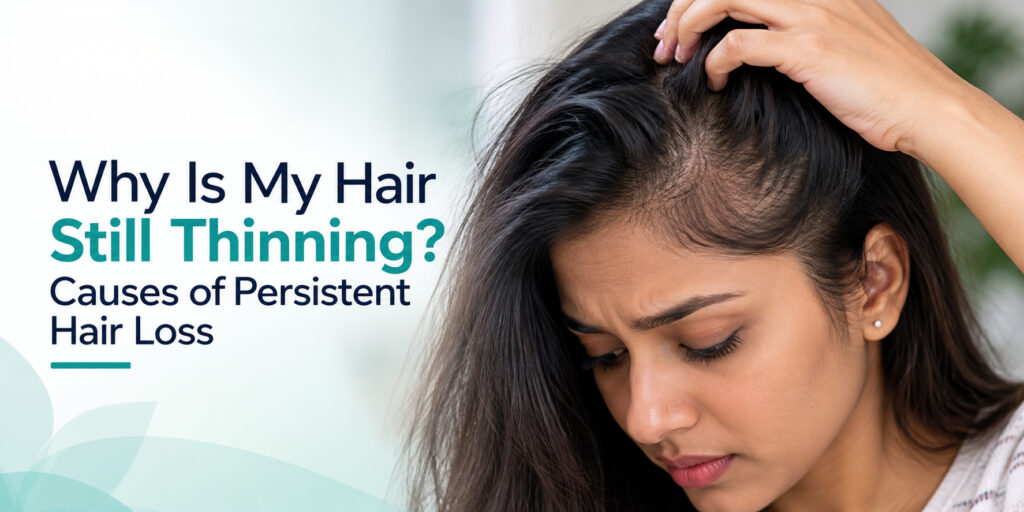
Some daily shedding is normal. Persistent hair fall, a widening part, or visible scalp thinning can have genetic, hormonal, nutritional, or medical causes. Identifying the cause helps determine whether treatment is needed.
What Causes Hair Loss
Genetic Predisposition (Androgenetic Alopecia)
One of the most common causes of hair loss is hereditary pattern baldness. It can affect both men and women, leading to gradual thinning of the hair, widening of the hair part, or a receding hairline. Early treatment can help slow progression and improve hair density.
Hormonal Changes
Hormonal imbalances associated with thyroid disorders, polycystic ovary syndrome (PCOS), pregnancy, childbirth, or menopause can disrupt the normal hair growth cycle and contribute to increased hair shedding.
Stress and Lifestyle Factors
Physical illness, emotional stress, poor sleep, crash dieting, and significant lifestyle changes can trigger a temporary form of hair loss known as telogen effluvium. Managing the underlying trigger often helps restore normal hair growth over time.
Nutritional Deficiencies
Healthy hair growth depends on adequate levels of protein, iron, vitamin D, vitamin B12, zinc, and other essential nutrients. Deficiencies can weaken hair follicles, resulting in brittle hair and increased shedding.
Thyroid Disorders
Both hypothyroidism and hyperthyroidism can interfere with the natural hair growth cycle. Hair loss caused by thyroid conditions often improves once the underlying disorder is appropriately managed.
Hair Loss After Illness
Many people notice increased hair fall a few weeks or months after recovering from high fever, surgery, viral infections, or significant physical stress. This type of shedding is usually temporary but may benefit from supportive treatment.
Scalp Conditions
Dandruff, seborrheic dermatitis, fungal infections, psoriasis, and chronic scalp inflammation can affect the health of hair follicles and contribute to ongoing hair loss if left untreated.
Environmental Factors
Constant exposure to heat, humidity, pollution, hard water, and UV radiation may affect scalp health and worsen existing hair problems. Protecting the scalp and seeking early treatment can help minimise long-term damage.
If you are unsure why you are experiencing hair loss, a dermatologist can identify the underlying cause and recommend the most appropriate treatment based on your scalp condition, medical history, and hair growth pattern. Treatment options can include hair regrowth therapy, planned once the cause is clear.
Signs You Should See a Dermatologist for Hair Loss
Consider a dermatologist consultation if you notice any of the following changes. An assessment can help distinguish temporary shedding from conditions that need ongoing care.
Excessive Hair Shedding
If you notice significantly more hair than usual while washing, brushing, or on your pillow for several weeks, it may indicate an underlying condition rather than normal daily hair fall.
Hair Loss with Scalp Problems
Hair fall associated with dandruff, itching, redness, scaling, or scalp irritation may indicate an underlying scalp condition that requires treatment before healthy hair growth can resume.
Gradual Hair Thinning
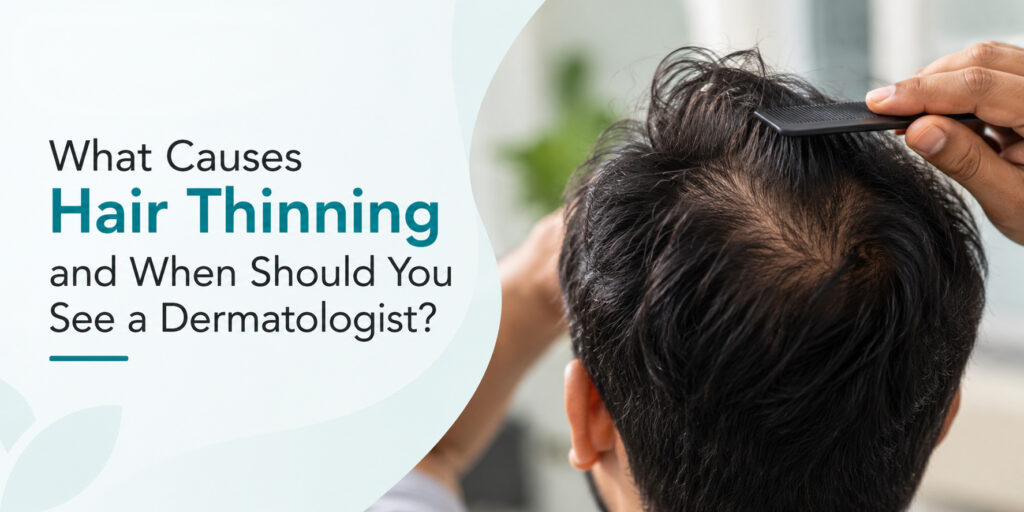
A visible reduction in hair volume, widening of the hair part, or a thinner ponytail may be early signs of pattern hair loss in both men and women.
Receding Hairline
A receding hairline, particularly around the temples or forehead, is a common sign of androgenetic alopecia and is best managed before permanent follicle loss occurs.
Bald Patches
Sudden, round or patchy areas of hair loss may be caused by conditions such as alopecia areata and should be evaluated promptly by a dermatologist.
Hair Loss After Illness or Childbirth
Many people experience increased hair shedding following high fever, surgery, viral infections, significant weight loss, or childbirth. While this is often temporary, persistent hair fall may benefit from medical assessment and supportive treatment.
Hair Loss Lasting More Than Three Months
If excessive hair fall continues for more than three months despite improving your diet or using over-the-counter products, it is advisable to seek a professional evaluation to identify the root cause.
For more information about patchy hair loss, see our alopecia treatment page.
How We Diagnose Hair Loss
Your consultation covers your scalp, hair-loss pattern, medical history, and recent changes in health or lifestyle. Tests are recommended only when the assessment suggests an underlying cause that needs investigation.
Detailed Medical History
We begin by understanding when your hair loss started, how it has progressed, your family history of hair loss, recent illnesses, medications, hormonal changes, stress levels, and lifestyle habits that may contribute to excessive hair fall.
Scalp & Hair Examination
Your dermatologist carefully examines the scalp to assess hair density, thinning patterns, scalp inflammation, dandruff, infections, and the overall health of your hair follicles.
Hair Growth Pattern Assessment
Your dermatologist assesses where thinning occurs, including the hairline, crown, and parting, alongside your history of shedding. This pattern helps guide the diagnosis and treatment plan.
Investigation of Underlying Causes
When clinically indicated, your dermatologist may recommend blood tests to evaluate iron levels, vitamin deficiencies, thyroid function, or hormonal imbalances that may be contributing to hair loss.
Personalised Treatment Planning
After identifying the underlying cause, we recommend the most appropriate treatment approach. This may include medical therapy, PRP Hair Treatment, GFC Therapy, scalp treatments, lifestyle advice, or a combination of therapies depending on your condition.
Ongoing Monitoring
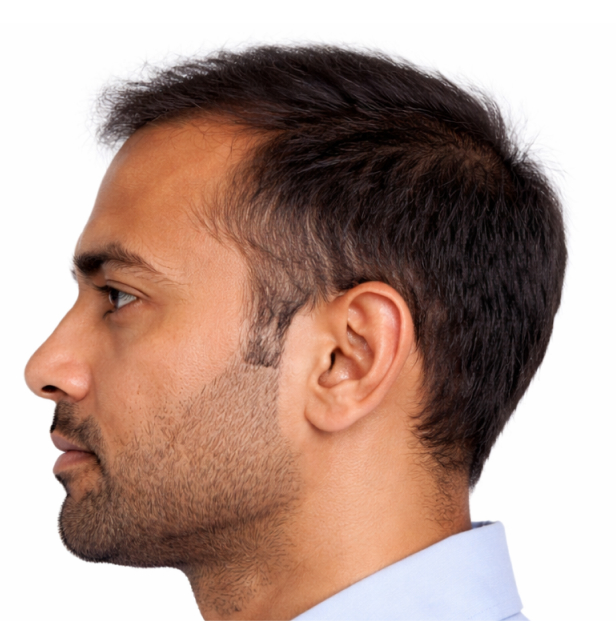
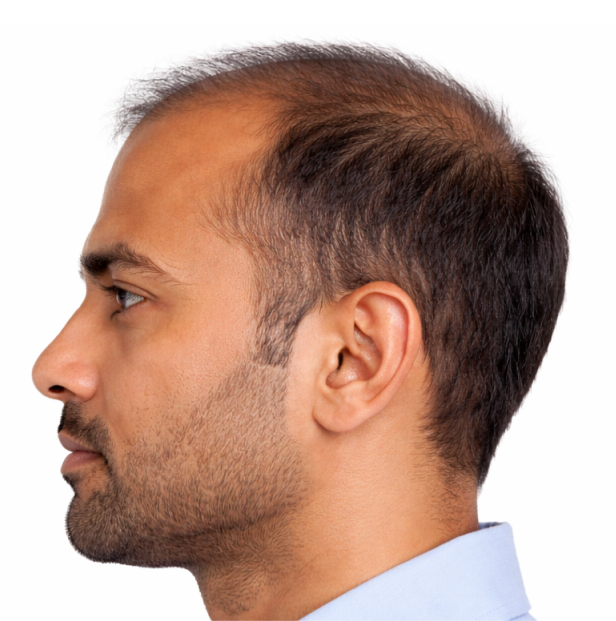
Hair regrowth is a gradual process. During follow-up visits, your progress is monitored, treatment is adjusted when required, and photographs may be used to document improvements over time.
Treatment Starts With Diagnosis
Our Hair Loss Treatment Approach
Treatment options depend on the diagnosis, severity of hair loss, and your medical history. Your dermatologist may recommend one approach or a combination of the following.
Medical Management
For certain types of hair loss, prescription medications and topical treatments may be recommended to reduce excessive hair shedding, support healthy hair growth, and slow the progression of hair thinning. Medical management is always tailored to your diagnosis and monitored by a dermatologist to ensure safety and effectiveness.
PRP Hair Treatment
Platelet-Rich Plasma (PRP) Hair Treatment uses the healing components found in your own blood to stimulate inactive hair follicles and encourage natural hair growth. It is commonly recommended for patients with early to moderate hair thinning and may help improve hair density when combined with appropriate medical care.Suitable for:
- Early hair thinning
- Male and female pattern hair loss
- Hair weakening after stress or illness
Learn more about PRP Hair Treatment.
GFC Hair Treatment
Growth Factor Concentrate (GFC) Therapy is an advanced regenerative treatment that delivers concentrated growth factors directly to the scalp. It is designed to stimulate hair follicles, improve scalp health, and promote stronger, healthier hair growth.
Depending on the clinical assessment, GFC Therapy may be recommended as an alternative or complement to PRP treatment
Learn more about GFC Hair Treatment.
Scalp Treatments
Healthy hair begins with a healthy scalp. If hair loss is associated with dandruff, seborrhoeic dermatitis, scalp inflammation, or fungal infections, these conditions are treated first to create a healthier environment for hair growth.
Treating underlying scalp disorders often improves treatment outcomes and supports long-term hair health.
Lifestyle & Nutritional Support
Hair growth can be influenced by factors such as nutrition, sleep quality, stress levels, and certain medical conditions. As part of your treatment plan, your dermatologist may recommend dietary improvements, nutritional supplementation where appropriate, and lifestyle modifications to support healthy hair growth alongside medical treatment.
Discussing Your Options
Ask your dermatologist which options are suitable for your diagnosis and what follow-up or maintenance each option involves.
Treatment and Follow-Up
What Results Can You Expect?
Hair growth takes time. The stages below are a general guide, not a guaranteed schedule. Your diagnosis, treatment, and individual response determine when changes may become visible.
First Month
During the initial few weeks, the primary focus is on reducing excessive hair shedding and improving scalp health. Some patients may notice that hair fall begins to stabilise, although visible new hair growth is generally not expected at this stage.
Two to Three Months
Many patients begin to notice reduced hair fall and the appearance of fine new hair growth. Existing hair may also feel stronger, healthier, and less prone to breakage as the hair growth cycle gradually improves.
Four to Six Months
Hair density often continues to improve, with better scalp coverage and stronger, thicker-looking hair. Patients undergoing treatments such as PRP or GFC Therapy may observe progressive improvements during this period, depending on their individual diagnosis.
Long-Term Maintenance
Certain types of hair loss, particularly genetic pattern hair loss, require ongoing maintenance to preserve results. Regular follow-up appointments and adherence to the dermatologist's recommendations help support long-term hair health and minimise future hair loss.
Individual Results Vary
Book a Hair Loss Consultation in Kochi
Visit Skinessence in Kadavanthra, Kochi
2nd Floor, JN Corner, near Abad Silver Crest, Jawahar Nagar, Subash Chandra Bose Road, Kadavanthra, Kochi, Kerala.
Consultations typically take 15–30 minutes, depending on the concern. Call +91 99477 85273 or 0484 220 5595 to book your appointment.
To help with your assessment, bring any relevant test reports and a list of medicines or hair treatments you currently use.
View the clinic map and appointment form.
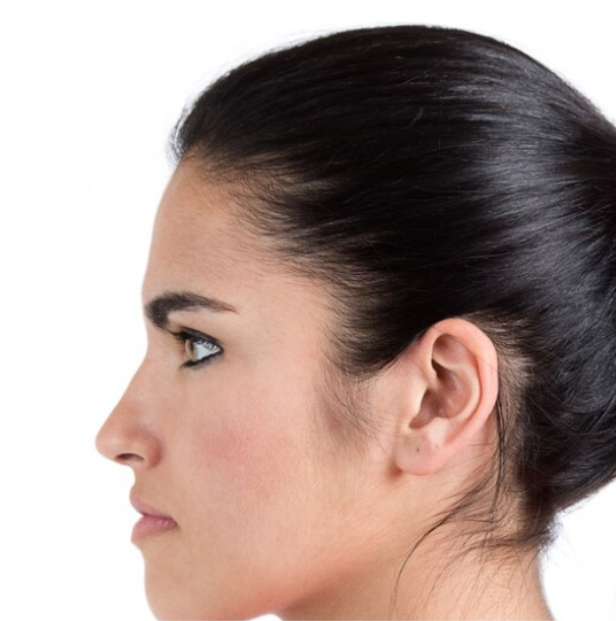
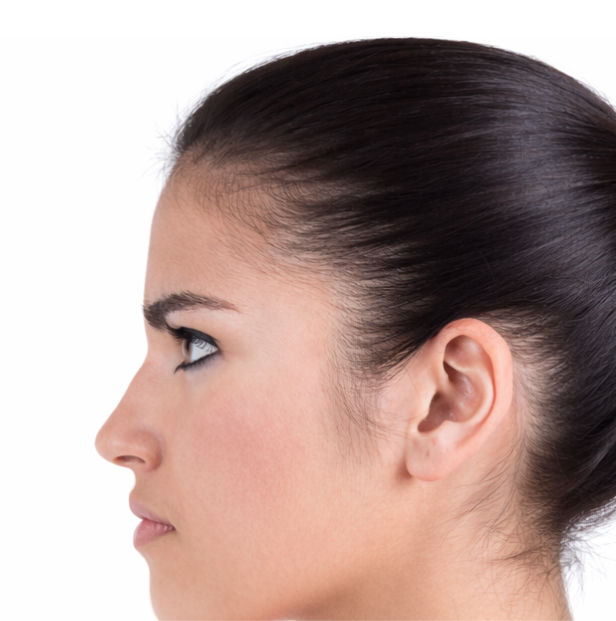
Before & After Results
Frequently Asked Questions About Hair Loss Treatment
Your Dermatologist
Dr. Annu Jayan, MD (Dermatology)
Consultant Dermatologist & Aesthetic Physician
Read about Dr. Annu Jayan’s qualifications and experience on our doctor profile. Treatment recommendations depend on your medical history, scalp condition, and the cause of hair loss.