

HIFU (High-Intensity Focused Ultrasound) is a non-invasive treatment used to improve the appearance of mild to moderate skin laxity and support facial skin tightening. It uses focused ultrasound energy to deliver controlled energy into targeted tissue beneath the skin.Unlike surgical lifting procedures, HIFU does not involve incisions or surgery.
The visible improvement develops gradually as the treated tissue responds over time.If you are considering HIFU, it is important to understand what the treatment can realistically achieve, how long results may take, how long they may last, and whether it is suitable for your degree of skin laxity.
What Is HIFU Skin Tightening?
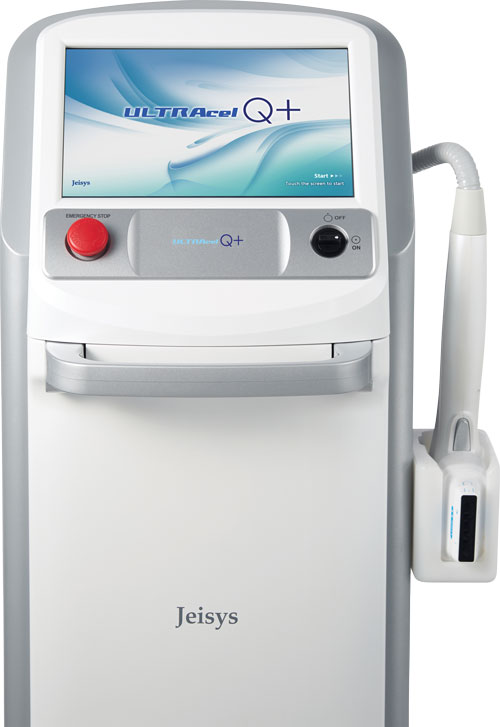
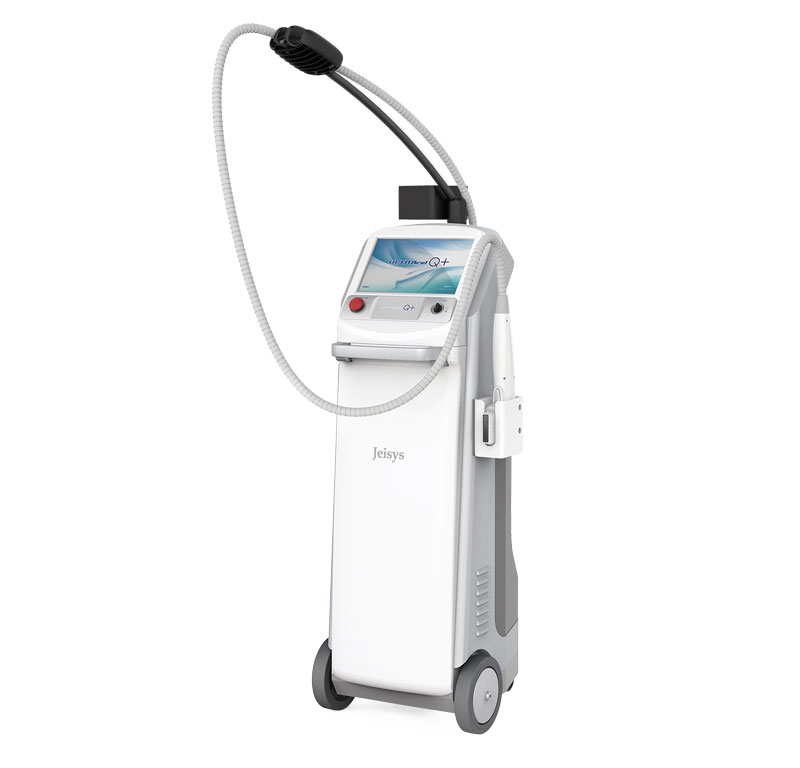
HIFU stands for High-Intensity Focused Ultrasound. It is a non-invasive aesthetic treatment that uses focused ultrasound energy to target specific tissue depths beneath the skin.The controlled energy creates thermal effects at targeted depths, which can stimulate a natural tissue-remodelling response. Over time, this may contribute to improvements in skin firmness, tightening and the appearance of mild skin laxity.HIFU is commonly considered for areas such as the face, jawline, chin and neck where mild to moderate laxity may affect facial definition.
How Does HIFU Work?
HIFU works by delivering focused ultrasound energy to selected depths beneath the skin without removing the surface layer.The treatment creates controlled thermal zones in the targeted tissue.
This triggers a healing and remodelling response that can support collagen production and tissue tightening.Because the biological response develops gradually, HIFU results are not usually expected to appear immediately after treatment.
The depth, energy and treatment pattern need to be selected according to the treatment area, skin condition and individual anatomy.
This is why proper assessment and treatment planning are important.
What Areas Can HIFU Treat?
Depending on the device and treatment protocol,
HIFU may be used for areas including:
- Lower face
- Jawline
- Chin and submental area
- Neck
- Brow area
- Selected areas affected by mild skin laxity
The appropriate treatment area depends on the individual's anatomy, degree of laxity and treatment goals.
What Skin Concerns Can HIFU Help With?
HIFU is primarily used to address skin laxity and support a firmer, more defined appearance.
It may be considered for:
Mild to Moderate Skin Laxity
HIFU may help improve the appearance of loose or lax skin when the degree of sagging is suitable for a non-surgical approach.
Jawline Definition
Mild laxity around the lower face and jawline can make facial contours appear less defined. HIFU may help improve the appearance of the jawline by addressing skin laxity.
Submental Area
When mild laxity beneath the chin contributes to a less defined profile, HIFU may be considered as part of a treatment plan.
Neck Laxity
HIFU may also be used to improve the appearance of mild neck skin laxity.
What Happens During a HIFU Treatment?
Before treatment, the skin and treatment area are assessed to determine whether HIFU is appropriate and which areas should be treated.
During the procedure:
1. The treatment area is cleansed.
2. The treatment zones are marked or planned.
3. Ultrasound gel may be applied to facilitate energy delivery.
4. The HIFU device is positioned against the skin.
5. Focused ultrasound energy is delivered to selected depths.
6. The treatment area is assessed after the procedure.
The exact treatment duration depends on the areas being treated and the device and protocol used.
When Will You See HIFU Results?
HIFU results develop gradually rather than appearing immediately.Some people may notice an initial change in firmness, but the more meaningful improvement develops over the following weeks and months as the treated tissue undergoes remodelling.
Results can vary considerably depending on:
- Degree of skin laxity
- Age
- Skin condition
- Treatment area
- Treatment settings
- Individual biological response
It is therefore better to evaluate HIFU results over time rather than judging the outcome immediately after treatment.
How Long Does HIFU Last?
HIFU results are not permanent because the skin and underlying tissues continue to age naturally.
Clinical studies of microfocused ultrasound have reported improvements that can persist for several months and, in some studies, up to around a year. However, the duration varies between individuals and depends on the treatment protocol, degree of laxity and other factors.
Maintenance treatment may be considered when the effects begin to diminish, but the timing should be determined through individual assessment rather than following a fixed schedule for everyone.
How Many HIFU Sessions Are Needed?
There is no single number of HIFU sessions that is appropriate for everyone.The treatment plan depends on:
- Degree of skin laxity
- Treatment area
- Age and skin condition
- Facial anatomy
- Previous treatments
- Individual treatment goals
- Response to previous treatment
Some patients may be considered for a single treatment followed by monitoring, while others may require a different treatment strategy.
A dermatologist should assess the skin and underlying anatomy before recommending the number and timing of sessions.
Is HIFU Painful?
HIFU can cause sensations such as warmth, tingling, pressure or brief discomfort during energy delivery.
The level of discomfort varies depending on the treatment area, device, treatment settings and individual sensitivity.
Temporary redness, tenderness, swelling or sensitivity may occur after treatment and generally settle with time.Your treatment provider should discuss expected sensations and appropriate aftercare before the procedure.
Is There Any Downtime After HIFU?
HIFU is a non-invasive treatment and generally involves little or no significant downtime.
Some people may experience temporary:
- Redness
- Mild swelling
- Tenderness
- Sensitivity
- Tingling
The duration and intensity of these effects vary between individuals.
Your dermatologist will provide specific aftercare instructions based on the treatment performed.
Who Is a Good Candidate for HIFU?
HIFU may be suitable for adults with mild to moderate skin laxity who want a non-surgical approach to improving firmness and facial definition.
A consultation is important because the treatment works best when the degree of laxity and the patient's expectations are appropriate for the procedure.
HIFU may be considered for concerns involving:
- Mild cheek laxity
- Jawline laxity
- Mild double-chin or submental skin laxity
- Neck laxity
- Loss of facial firmness
When May HIFU Not Be the Right Choice?
HIFU is not a replacement for every type of facial rejuvenation treatment.
It may be less suitable when there is significant skin laxity or when the patient's primary concern is caused by factors that HIFU is not designed to address.
For example, concerns involving significant volume loss, pronounced sagging, substantial excess skin or other structural changes may require a different treatment approach.
A proper assessment helps determine whether HIFU alone is appropriate or whether another treatment may be more suitable.